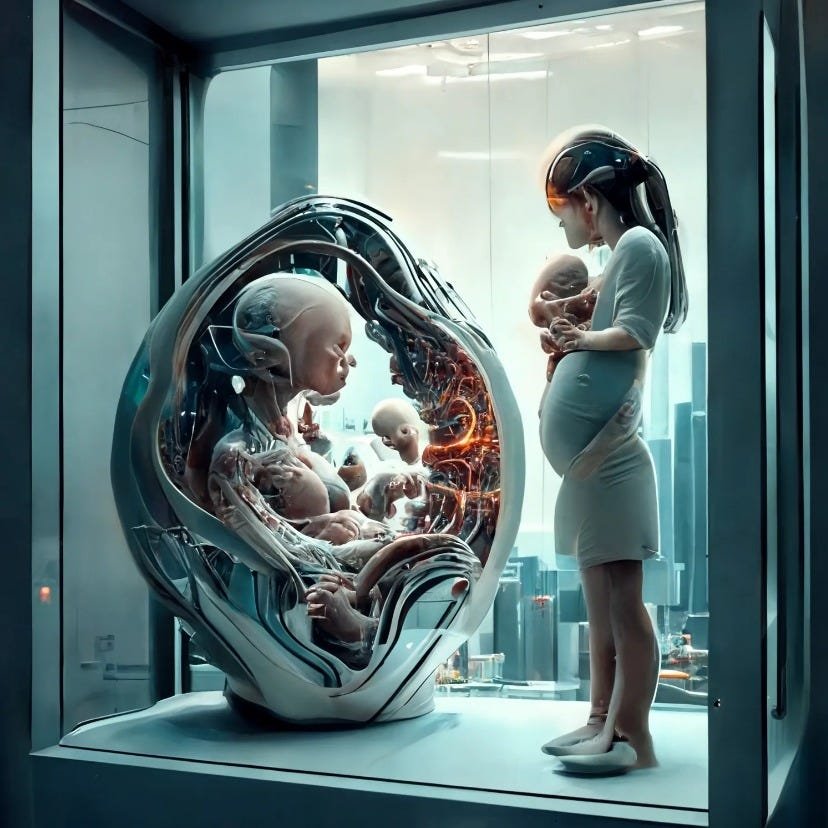
The digital canvas has blurred, pixel by pixel, into a new frontier, igniting the most fervent Ethical & Copyright Debates in AI Art: A Reddit Perspective. Once a niche topic, discussions around AI-generated imagery now dominate forums and feeds, with artists, technologists, and enthusiasts alike grappling with profound questions of ownership, originality, and the very future of human creativity. It’s a discussion less about if AI can create art, and more about should it, and what happens when it does.
At a Glance: Navigating the AI Art Dilemma
- A Double-Edged Sword: AI art offers unparalleled speed, cost-effectiveness, and accessibility, democratizing content creation. Yet, it sparks outrage among artists whose existing works are used without consent for training, raising fears of job displacement and cultural appropriation.
- Livelihoods at Stake: While some argue AI art caters to a different market than human artists, a strong counter-argument suggests it threatens art as a viable career, making human artistry economically unsustainable as AI quality improves.
- The Automation Imperative vs. Artist Rights: Is AI art an inevitable march of progress where artists must adapt, or is it an industry-specific crisis demanding new legal protections and compensation for creators?
- Copyright Chaos: Traditional copyright struggles with AI. Who owns AI art – the developer, the prompt-creator, or no one? Can AI art be "original" when trained on millions of existing works? The US Copyright Office insists on human authorship.
- Ethical Concerns Beyond Law: Beyond legal infringement, artists worry about their unique styles being mimicked, their work diluted, and a future where artistic integrity and human connection are devalued.
- Seeking Solutions: New legislation, clearer definitions of "fair use," and innovative licensing models are being explored to ensure creators are recognized and fairly compensated in this evolving landscape.
- Action for All: Artists can protect themselves through documentation and opt-out tools. AI art users must understand generator terms of service and the limits of AI art copyrightability.
The Genesis of Discord: AI Art's Double-Edged Sword
On platforms like Reddit, the immediate appeal of AI art is clear: the convenience, the low cost, and the sheer speed at which it can generate customizable multimedia. From independent game developers needing quick assets to hobbyists exploring visual concepts, AI tools offer a creative shortcut, making art more accessible to a wider audience. It's lauded by some as a powerful tool, a democratizing force for creativity that opens doors for those who lack traditional artistic skills or resources. Imagine concept art for a personal project generated in minutes, or diverse visual elements for a presentation, all without commissioning a human artist.
However, beneath this gleaming veneer of innovation lies a deep current of ethical unease and outright anger. The core contention? That the algorithms powering these tools are trained on vast datasets of existing human artwork, often scraped from the internet without the original artists' consent, attribution, or compensation. This isn't just about mimicry; it's about the very foundation of creative labor. Artists express profound frustration, seeing their life's work – their unique styles, their hard-won techniques – ingested and repurposed to create new images, potentially eroding their livelihoods. This feels less like inspiration and more like exploitation, a modern form of digital appropriation that leaves the original creators out in the cold.
Impact on Artists: A Battle for Livelihoods and Legacy
The financial and social impact of AI art on human artists is perhaps the most heated point of contention in online debates. One common argument you'll encounter is that AI art isn't truly competing with human artists because its users are largely people who wouldn't have commissioned a human artist anyway. Proponents of this view suggest that professional artists' skills and unique visions remain respected, and that many AI users are simply unaware of the ethically dubious origins of the training data. This perspective minimizes the threat, framing AI as a separate, supplementary category.
However, a powerful counter-argument, frequently echoed by artists themselves, paints a far bleaker picture. They contend that as AI art models become increasingly sophisticated and their outputs virtually indistinguishable from human-created work, the economic incentives for commissioning human artists will plummet. Why pay a human for weeks of work when a machine can deliver a comparable (or "good enough") result in minutes for a fraction of the cost, or even free? This isn't just about small-scale artists; industry veterans across concept art, illustration, and graphic design fear a significant downturn, with companies and individuals opting for cost-effective AI solutions. The concern isn't just about if their jobs will be affected, but how quickly and severely, threatening to disincentivize art as a profitable career altogether.
The Automation Question: Inevitable Progress or Unfair Burden?
The debate over AI art often mirrors broader discussions about automation across various industries. One school of thought posits that automation, including in creative fields, is an unstoppable force, a natural progression that society historically embraces for increased wealth and leisure. From manufacturing to data entry, jobs have evolved with technology. In this view, artists, like blue-collar and white-collar workers before them, will need to adapt, reskill, or find new niches as their traditional roles become automated. This shift is presented as ultimately beneficial for societal progress, a movement towards greater efficiency and new forms of creativity.
But this perspective is fiercely challenged within the art community. Many argue that the art industry is facing AI automation at an unprecedented and alarming rate, far outpacing other sectors. The rapid advancement of generative AI means artists are not just anticipating a gradual shift; they are experiencing immediate and profound disruption. This isn't a slow adaptation period; it's a crisis, leaving artists uniquely vulnerable. They argue that without immediate protection, fair compensation, or new rights, artists will suffer first and for a long time, bearing the brunt of technological change without the safety nets or opportunities for transition seen in other fields. The speed of AI's integration into art is a critical factor, demanding a different kind of response than the more gradual automation of the past.
A Humanist Future: Why Artists Are Fighting for New Rights
At the heart of many anti-AI art arguments is a passionate plea for new rights for creators. Artists contend that current legal and political frameworks are simply too slow and ill-equipped to handle the specific challenges posed by AI. There's no existing mechanism for compensation or control for artists whose works are used, often unknowingly, by AI training models. This isn't merely a fight against a new technology; it’s framed as a fight for a "humanist future."
This vision of a humanist future emphasizes that the immense wealth generated by automation – particularly by powerful AI corporations – should benefit a broad spectrum of society, including the creators whose intellectual property forms the very foundation of these new technologies. It’s a call for ethical innovation, where technological advancement doesn't come at the expense of human dignity, livelihoods, or the cultural legacy built by generations of artists. The argument is clear: if AI profits from human creativity, then human creators deserve a share of those profits, along with control over how their work is used.
Navigating the Copyright Minefield: Who Owns What?
The advent of AI art has thrown traditional copyright law into a tailspin, fundamentally challenging established concepts of ownership, authorship, and originality. Historically, copyright protects works created by human authors, requiring a "modicum of creativity" and independent intellectual effort. Authorship has always been exclusively reserved for human beings. This foundational principle is now under immense pressure.
Key Dilemmas in AI Art Copyright:
- Ownership: This is a central question. If an AI generates an image, who owns it? Is it the AI developer, who invested in creating and training the model? Is it the prompt creator, whose specific textual input guided the AI? Or, potentially, is it no one, meaning the work automatically falls into the public domain? The lack of clear answers creates significant legal uncertainty for creators and consumers alike.
- Originality: Can AI art truly meet the originality threshold required for copyright protection? Especially when models are trained on vast datasets containing millions of existing copyrighted works, the line between transformative use (creating something new from existing material) and derivative works (merely adapting existing material) becomes incredibly blurry. This tension is at the core of many ongoing legal battles.
- Data Training: Perhaps the most contentious issue revolves around the training data itself. AI models "learn" by ingesting and analyzing massive quantities of images, many of which are copyrighted. Critics argue that this large-scale, unauthorized ingestion constitutes copyright infringement. Proponents, however, often liken it to a human artist learning from observing the world and other artists' works – a form of "fair use." Lawsuits are currently underway, aiming to define what constitutes "fair use" in the context of machine learning, a definition that will have monumental implications for the entire AI industry.
- Human Intervention: The degree of human involvement in the AI art creation process is crucial for establishing a claim to originality and authorship. Curating training data, carefully crafting intricate prompts, refining model parameters, and post-processing or editing AI outputs all contribute to a human's claim. As AI becomes more autonomous, requiring less direct human input, claims of human authorship diminish significantly, pushing purely AI-generated works closer to the public domain.
- Authorship: The US Copyright Office has been unequivocal: it will not register works lacking human authorship. This stance reinforces the fundamental principle that copyright exists to protect human intellectual labor. Purely AI-generated works, without significant and discernible human creative input, are generally considered uncopyrightable. This means that if an AI generates something incredible but no human truly "authored" it, that work cannot be protected by copyright and is essentially free for anyone to use. This can lead to unexpected challenges, particularly for those who create and distribute AI art, thinking they own the exclusive rights.
Ethical Quandaries: Beyond Legality to Artistic Integrity
Even when copyright law offers no clear answers, the ethical considerations of AI art loom large, touching on fundamental questions of fairness, artistic integrity, and the very value of human creativity.
Artists are deeply concerned about their unique styles being mimicked or their entire body of work being incorporated into AI models without their consent, without attribution, and crucially, without fair compensation. The ability of AI to replicate specific artistic styles at scale blurs the lines between genuine inspiration and outright appropriation. Where does learning end and digital theft begin? This capability threatens to dilute unique artistic identities, making it harder for individual artists to stand out or protect their distinctive visual language. If an AI can generate art "in the style of" a living artist, does it devalue that artist's unique contribution?
Moreover, the ethical debate touches on the broader societal implications of a world where machine-generated art becomes commonplace. Does it diminish the emotional connection we have to art when we know it wasn't born from human struggle, passion, or perspective? Does it strip art of its narrative power, its ability to reflect and comment on the human condition in a way only a human can? Many artists argue that the ethical implications extend beyond individual rights to the very fabric of our culture and how we define artistic value. The discussions on the limitless AI image generator community frequently delve into these deeper philosophical questions, reflecting a widespread anxiety about the future of art itself.
Towards Solutions: Charting a Path Forward
Recognizing the immense complexities and the urgent need for clarity, various proactive solutions are being explored globally to address the ethical and copyright challenges of AI art.
- New Legislation: The call for new laws is growing louder. Proposals aim to clarify who owns what in AI-generated art, define clear parameters for "fair use" specifically for AI training data, and establish mechanisms for compensating artists whose work contributes to AI models. This could involve mandatory licensing, opt-in/opt-out frameworks, or even a universal basic income for creators whose work forms the backbone of new digital industries.
- AI Art Licensing Models: Innovative licensing models are a promising avenue. These could offer structured, transparent ways for artists to license their existing work for AI training. Imagine platforms where artists can voluntarily submit their portfolios, setting terms and ensuring fair compensation through royalties whenever their style or specific pieces contribute to AI-generated content. This could empower artists, turning a threat into a new revenue stream, rather than simply having their work taken without permission.
Your Role in the Evolving Landscape: Actionable Insights for Creators & Consumers
Whether you're an artist navigating a changing industry or an enthusiast experimenting with AI tools, understanding your rights and responsibilities is crucial.
For Artists: Protecting Your Craft
- Add Clear Copyright Notices and Watermarks: Make it explicitly clear that your work is copyrighted. While not foolproof, digital watermarks and clear notices can act as a deterrent and provide evidence of ownership.
- Explore Platform-Specific Opt-Out Tools: Some platforms are beginning to offer tools that allow artists to prevent their work from being scraped for AI training. Actively research and utilize these options where available.
- Actively Document Your Creation Process: To establish clear human authorship, maintain detailed records of your creative journey. This includes preliminary sketches, mood boards, layered digital files, timestamps, and notes on your creative decisions. This documentation can be vital evidence if you ever need to prove your human contribution to a work.
- Stay Informed and Advocate: Engage with artist communities, join advocacy groups, and participate in discussions about AI policy. Your collective voice is powerful in shaping future legislation and ethical guidelines.
For AI Art Users: Understanding Your Responsibilities
- Read the Terms of Service (ToS) and Privacy Policies: Before using any AI generator, thoroughly review its ToS. Understand who claims ownership of the generated art, how the model was trained, and what rights (if any) you have to the output. These terms vary wildly between platforms.
- Be Aware of Copyrightability Limitations: Remember that AI-generated art without significant human creative input may not be copyrightable. If you're creating art purely through AI prompts and intend to use it commercially, understand that you might not have exclusive rights to it. This means others could potentially use your AI-generated work without your permission.
- Consider Ethical Sourcing and Attribution: If you're using AI art, be mindful of its origins. While direct attribution to the AI itself might not be legally required (and often impossible), consider the ethical implications of using tools trained on unconsented data. Support AI initiatives that prioritize ethical data sourcing and artist compensation.
- Seek Legal Counsel for Commercial Use: If you plan to use AI-generated art for commercial purposes, especially in sensitive areas, consult with a legal professional specializing in intellectual property. The legal landscape is constantly shifting, and expert advice is invaluable.
The Road Ahead: What to Expect Next
The journey through the ethical and copyright debates in AI art is far from over. We can anticipate intensified legal challenges, particularly around defining the nuances of "fair use" for machine learning algorithms. The minimum threshold of human input required for a work to qualify for copyright will continue to be a hot topic, with courts and copyright offices globally wrestling with these definitions.
Furthermore, a robust global dialogue and harmonization of international intellectual property laws are not just beneficial, but essential. Art transcends borders, and AI models are global. Without a coordinated international effort, creators and users alike will face a patchwork of conflicting regulations, stifling innovation in some areas while leaving artists vulnerable in others. The evolution will be continuous, demanding flexibility, foresight, and a shared commitment to fostering both technological progress and equitable protection for creators worldwide.